Women’s health in Pakistan remains a critical area of concern, deeply connected to social, economic, and cultural factors. While there have been positive developments in healthcare infrastructure and awareness in recent years, many women in the country still face barriers in accessing quality medical services. Addressing these challenges is essential not only for the well-being of women but also for the overall development and prosperity of the nation.
Current Situation of Women’s Health in Pakistan
Pakistan’s healthcare system has made strides in tackling diseases, expanding medical facilities, and promoting preventive care. However, the country continues to face high maternal and infant mortality rates, low reproductive health awareness, and limited access to specialized women’s health services. According to health reports, maternal mortality remains a major concern, with preventable complications during pregnancy and childbirth claiming thousands of lives each year.
Breast cancer is another pressing issue, with Pakistan having one of the highest incidence rates in Asia. Every ninth woman in the country is at risk of developing breast cancer during her lifetime. Additionally, reproductive health issues, nutritional deficiencies, and lack of mental health support further affect the quality of life for millions of women.
Key Challenges in Women’s Healthcare
- Limited Access to Healthcare Facilities
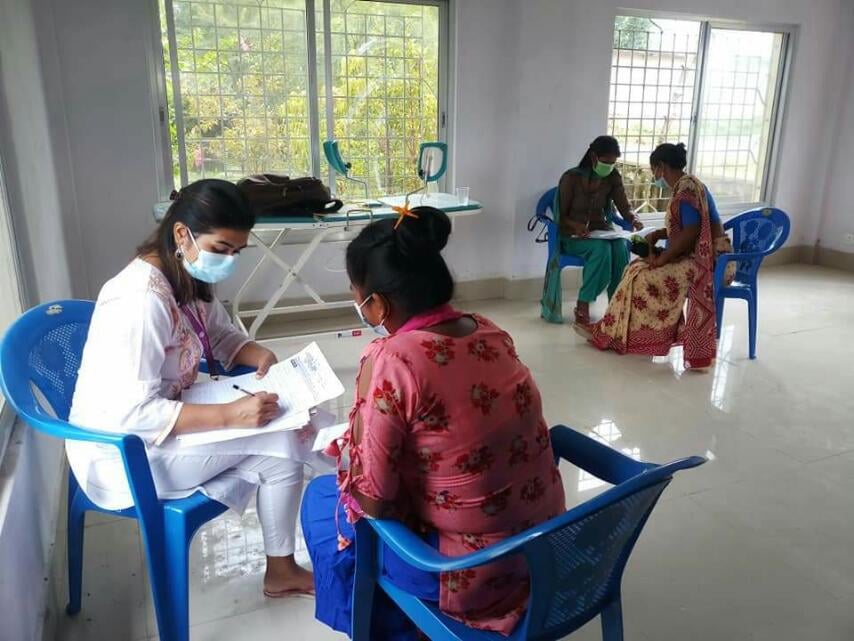
Many women, especially in rural areas, have to travel long distances to reach hospitals or clinics. A shortage of female healthcare providers also discourages women from seeking timely care. - Cultural and Social Barriers
Social norms often restrict women’s mobility and decision-making regarding their health. In some communities, women need permission from male family members to seek medical help. - Economic Constraints
Poverty significantly impacts women’s ability to afford healthcare services, diagnostic tests, and medications. - Lack of Awareness and Preventive Care
Many women are unaware of preventive health measures such as regular screenings for breast and cervical cancer, vaccination schedules, and the importance of balanced nutrition. - Mental Health Neglect
Women’s mental health is often overlooked, with depression, anxiety, and stress-related disorders going undiagnosed and untreated.
Positive Developments and Efforts
Despite these challenges, several initiatives have brought positive change:
- Government Programs such as the Lady Health Workers Programme (LHW) have expanded primary healthcare access in rural and underserved communities.
- Awareness Campaigns led by NGOs like Pink Ribbon Pakistan have educated thousands of women about breast cancer prevention and self-examination.
- Telemedicine Services are making healthcare more accessible, allowing women to consult doctors without traveling long distances.
- Public-Private Partnerships are working to improve maternal and child health services, vaccination coverage, and reproductive health education.
The Way Forward
Improving women’s health in Pakistan requires a multi-dimensional approach:
- Strengthening Healthcare Infrastructure with more women-friendly facilities and skilled female healthcare providers.
- Expanding Preventive Healthcare through regular screenings, awareness drives, and school-based health education.
- Removing Social Barriers by empowering women to make their own healthcare decisions.
- Increasing Investment in Mental Health to ensure women have access to counseling and psychological support.
- Leveraging Technology for wider telehealth adoption, especially in remote areas.
Women’s health is not just a personal issue—it is a national priority. Healthy women contribute to stronger families, a more productive workforce, and a brighter future for Pakistan. By breaking barriers, investing in healthcare systems, and promoting awareness, Pakistan can create a healthier, more equitable society for its women.