
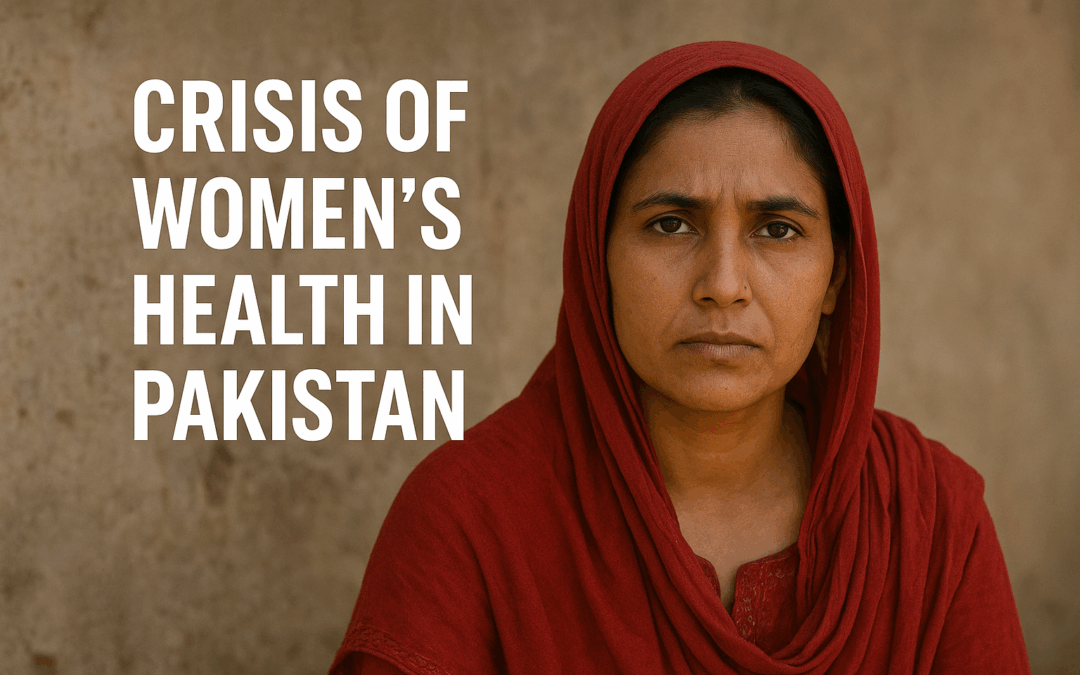
Women’s health is one of the most pressing yet overlooked issues in Pakistan. Despite making up almost half of the population, women face barriers that prevent them from accessing quality healthcare. This crisis is not just about medical facilities, but also deeply tied to social, cultural, and economic challenges.
Lack of Access to Healthcare
Millions of women, especially in rural areas, lack access to proper hospitals, maternity wards, and female doctors. Distance, financial limitations, and lack of transportation often stop women from seeking timely medical help.
Maternal and Reproductive Health Challenges
Pakistan has one of the highest maternal mortality rates in South Asia. Many women are forced to give birth at home without skilled medical assistance. Limited awareness about reproductive health, poor nutrition, and restricted access to family planning also worsen the crisis.
Cultural and Social Barriers
In many parts of the country, women’s health needs are ignored due to social stigma and gender inequality. Discussions around menstrual health, reproductive rights, and mental health are often considered taboo, leading to silence and neglect.
Mental Health Concerns
Women in Pakistan also struggle with mental health issues such as depression and anxiety, often fueled by domestic violence, financial dependence, and lack of social support. Unfortunately, mental health remains one of the most underfunded and least prioritized areas of healthcare.
The Way Forward
To address the crisis of women’s health in Pakistan, several steps are essential:
- Increasing the number of healthcare facilities and female doctors, especially in rural areas
- Expanding awareness campaigns on reproductive and maternal health
- Promoting family planning and nutrition programs
- Breaking the stigma around menstrual and mental health
- Ensuring government and NGO collaboration for better healthcare policies