Defining Menstrual Dignity
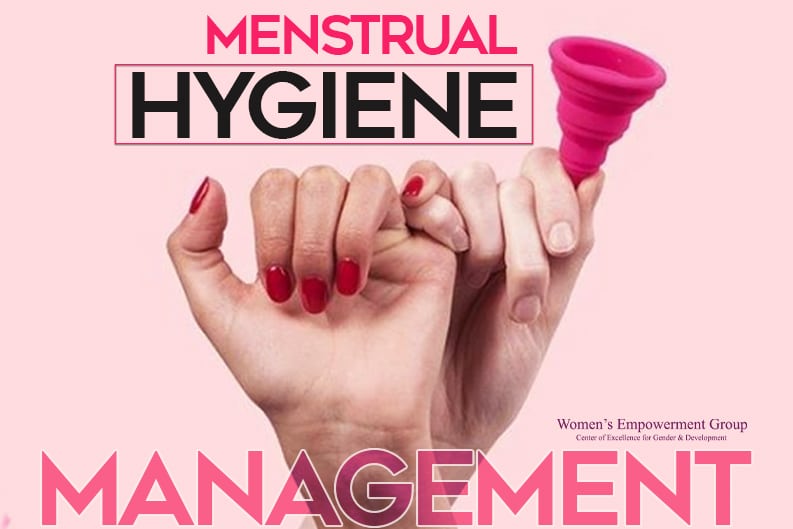
Menstrual Health Management (MHM) is more than a clinical necessity; it is a matter of dignity and fundamental human rights. For women and adolescent girls, effective MHM requires a baseline of knowledge to manage the menstrual cycle hygienically. This includes access to clean absorbent materials, private facilities for washing and disposal, and the ability to maintain personal care with respect for both the individual and the environment.
Challenging Myths and Cultural Taboos
In the regional context, menstruation is often shrouded in silence and misinformation. Deep-seated superstitions ranging from restrictions on bathing and diet to the avoidance of cold water foster an environment of shame rather than health.
These myths are not merely social hurdles; they have fatal consequences. The lack of accurate information often leads to:
- Chronic Health Issues: Improper hygiene practices resulting in severe reproductive infections.
- Educational Attrition: Girls frequently miss school or drop out entirely due to a lack of private facilities and the fear of social stigma or “uncleanness.”
- Psychological Impact: Feelings of exclusion and embarrassment that undermine a girl’s confidence during a critical stage of development.
Bridging the Knowledge Gap
Currently, the burden of information falls almost exclusively on mothers and older sisters, who may themselves be influenced by traditional misconceptions. With many educators hesitant to address the topic, girls often reach their first period unprepared and afraid.
WEG’s Integrated Approach to MHM: To dismantle these barriers, our program focuses on comprehensive education and systemic advocacy:
- Inclusive Education: Engaging men and male youth to foster a supportive environment and eliminate discriminatory behaviors.
- Health Literacy: Correcting common misconceptions regarding daily activities, such as bathing, household chores, and the sharing of clothing.
- Spiritual Clarity: Addressing religious misinterpretations by clarifying permissible practices during the menstrual cycle, ensuring women feel spiritually connected rather than alienated.
Resource Advocacy: Lobbying for better facilities in schools and public spaces to ensure no girl has to choose between her education and her health.